
In recent years, many people around the world have started paying closer attention to what they eat. From reading food labels to questioning where their meals come from, their diet choices are no longer just about taste.
One eating style that is continually gaining popularity among people is a plant-based diet. Hearing the word “plant-based diet,” you might be thinking what exactly it is, and most importantly, what are the real benefits of a plant-based diet? And is it the right choice for you?
This blog will break everything down for you in a simple and honest way with no extreme claims, no complicated science talk, and no pressure. You will just get facts, real-life benefits, and practical insights to help you decide what suits you better.
Let’s start with the basics…
What is a Plant-based Diet?
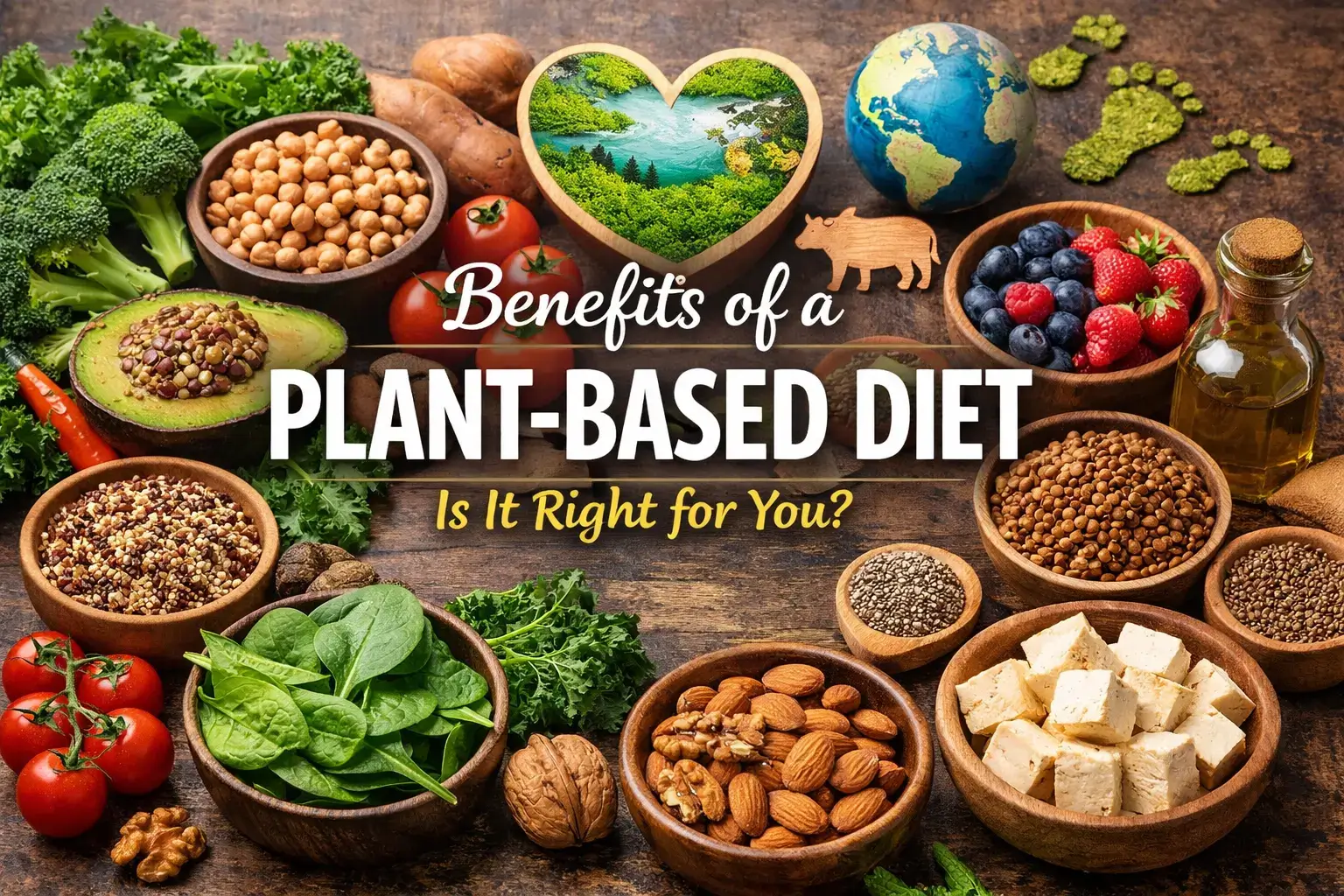
A plant-based diet is mainly based on foods that come from plants, which include the following:
- Fruits
- Vegetables
- Whole grains
- Legumes (beans, lentils, and peas)
- Nuts and seeds
Plant-based eating does not always mean vegan or vegetarian. Some people eat mostly plant-based food but still include a small amount of animal products such as eggs, dairy, fish, or meat occasionally, and others remove animal products completely.
According to nutrition experts at the Harvard T.H. Chan School of Public Health, plant-based diets emphasize whole, minimally processed plant foods rather than highly processed alternatives.
The core idea of a plant-based diet is simple: plants are the main focus. This flexibility of a plant-based diet is one reason why many people find a plant-based diet easier to stick to in the long run.
Health Benefits of Plant-based Diet for Overall Health
One of the reasons why people switch to a plant-based diet is for their health. The benefits of a plant-based diet go far beyond weight loss trends or social media hype. Below are some benefits you will get if you switch to a plant-based diet:
1. Supports Heart Health
Heart disease is one of the leading causes of death worldwide. The World Health Organization reports that cardiovascular diseases are responsible for millions of deaths each year. A plant-based diet can support your heart health by:
- Lowering bad cholesterol (LDL)
- Reducing blood pressure
- Improving blood flow
Plant-based foods are naturally low in saturated fat and high in fiber, antioxidants, and healthy fats. Whole foods like oats, beans, leafy greens, and nuts will help to protect your heart over time.
Many health experts agree that people who follow a mostly plant-based lifestyle have a lower risk of heart-related problems. According to the American Heart Association, diets rich in fruits, vegetables, whole grains, and legumes are associated with a reduced risk of cardiovascular disease.
Examples of heart-healthy plant foods include:
- Oats
- Beans
- Leafy greens
- Nuts
- Avocados
2. Helps to Maintain a Healthy Weight
Another well-known benefit of a plant-based diet is weight management. Plant foods are generally lower in calories but higher in volume and fiber. Plant foods tend to be:
- Lower in calories
- Higher in fiber
- More filling
High-fiber foods slow digestion and help people feel satisfied longer, which may reduce overeating. Unlike restrictive diet trends, plant-based eating focuses on adding nutritious foods rather than eliminating entire food groups, making it more sustainable.




Many observational studies show that people who follow mostly plant-based diets often maintain a lower average body weight.
3. Improve Digestion & Gut Health
Your gut health affects almost everything from your immunity to your mood. A plant-based diet is rich in fiber, which feeds healthy gut bacteria. After consuming a plant-based diet, you will get some better digestion benefits include:
- Less bloating
- Improved bowel movements
- Better nutrient absorption
Whole grains, fruits, vegetables, and legumes help create a balanced gut environment that supports long-term digestive health.
4. May Reduce the Risk of Chronic Diseases
One of the most powerful benefits of a plant-based diet is its role in preventing and managing chronic conditions. Research consistently shows that plant-based eating can help lower the risk of:
- Type 2 diabetes
- High blood pressure
- Certain type of cancers
- Obesity
Plant foods contain vitamins, minerals, antioxidants, and phytochemicals that help reduce inflammation and protect cells from damage.
The World Health Organization recommends eating plenty of fruits and vegetables as part of a healthy diet to reduce disease risk.
5. Boosts Natural Energy Levels
Health isn’t only about being physically fit; it is also about what you eat, which can influence how you feel emotionally and mentally. Many people report feeling lighter and more energetic after switching to plant-based nutrition. This is partly because plant foods provide:
- Complex carbohydrates
- Essential vitamins
- Sustained energy release
This change is often because plant foods are easier to digest and provide steady energy without heavy crashes. Complex carbohydrates from whole grains and fruits fuel the brain and body consistently, which helps you stay active throughout the day.
Whole grains, fruits, and legumes help keep energy levels stable throughout the day.
6. Supports Mental Well-Being
Emerging research suggests a strong connection between your diet and mental health. Plant-based diets are rich in nutrients like magnesium, folate, and antioxidants, which support brain function.
Some people may notice some changes when they switch to a plant-based diet:
- Improved focus
- Reduced brain fog
- More stable moods
While food alone isn’t a cure for mental health conditions, plant-based eating can be a helpful part of a balanced lifestyle. Although diet alone cannot treat mental health conditions, it can play an important role in a holistic approach to well-being.
7. Lower Environmental Impact
The benefits of a plant-based diet extend beyond personal health and also impact the planet. Plant-based foods generally require fewer natural resources than animal-based foods, which means:
- Less water usage
- Reduced greenhouse gas emissions
- Lower land degradation
The Food and Agriculture Organization notes that livestock production contributes significantly to global environmental pressures.
Even incorporating more plant-based meals each week can reduce your environmental footprint.
8. Supports Sustainable Food Systems
Plant-based eating encourages more sustainable farming practices and helps reduce pressure on industrial animal agriculture.
Over time, a plant-based diet supports better food security and environmental balance worldwide.
Can a Plant-based Diet Provide All Nutrients?
One common concern that everyone has is whether your plant-based nutrition provides enough essential nutrients.
The answer is yes – when planned properly.
Here are some key nutrients with their sources that you have to pay attention to for getting a plant-based nutritionally complete diet:
- For Protein: Add beans, lentils, tofu, tempeh, nuts, and seeds to your diet.
- For Iron: Add leafy greens, legumes, and fortified cereals to your diet.
- For Calcium: Add plant milks, sesame seeds, and tofu to your diet.
- For Vitamin B12: Add fortified foods or supplements to your diet.
- For Omega-3s: Add flaxseeds, chia seeds, and walnuts to your diet.
A balanced plant-based diet can also meet all nutritional needs if it is being consumed with proper planning.
How to Start a Plant-based Diet in Right Way?
If you are curious but unsure about how you can start a plant-based diet in the right way. Here is the simple approach for you that you can follow:
- Start with one plant-based meal per day.
- Focus on whole foods, not processed substitutes.
- Learn basic and easy recipes.
- Listen to your body while selecting your meal.
- Stay consistent, not perfect.
Final Thoughts
The benefits of a plant-based diet include improved heart health, better digestion, increased energy levels, and a reduced environmental impact.
Rather than following strict rules or labels, plant-based eating encourages thoughtful food choices that support both personal health and planetary well-being.
When approached with balance and proper planning, a plant-based diet can become a sustainable and rewarding lifestyle.