
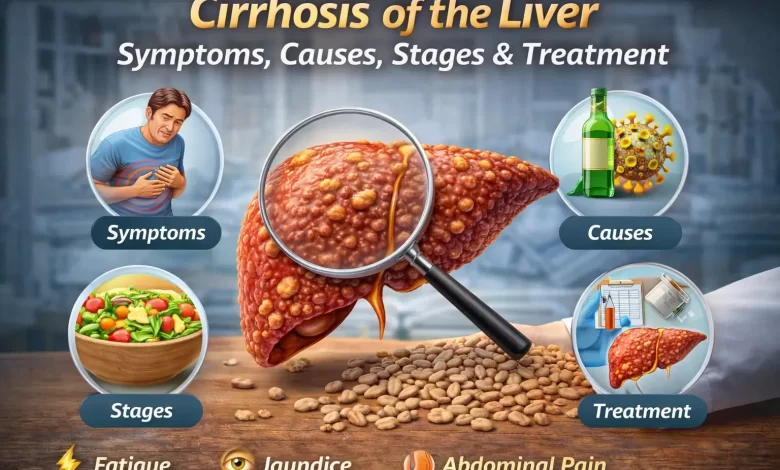
Cirrhosis of the liver is a serious health condition that affects millions of people around the world. It usually happens when healthy liver tissue is slowly replaced by scar tissue, which makes it harder for the liver to function properly. If it is not treated or managed early, this scarring can lead to severe complications, including liver failure.
The good news for you is that with proper care, lifestyle changes, and medical treatment, many people can live longer and healthier lives even after being diagnosed with liver cirrhosis.
This blog will help you understand everything about liver cirrhosis in simple terms. You will get to know what it causes, what the symptoms are, treatment options, and the best diet to support your liver health. The main aim of this blog is to provide you with clear and useful information that is easy to understand and can help you in your everyday life.
What is Cirrhosis of the Liver?
Cirrhosis of the liver is the final stage of long-term liver damage. Your liver is one of the most important organs in your body. It filters toxins from your blood, helps you to digest food, store nutrients, and produces essential proteins.
When your liver is damaged repeatedly over time, it tries to repair itself, and during the repair process, scar tissue forms. Too much scar tissue can block your blood flow through the liver and prevent it from working properly, and if the damage continues, your liver will become hard and shrunken; this is what doctors call cirrhosis.
Cirrhosis does not happen overnight and usually develops slowly over many years. In the early stages, a person may not notice any symptoms, but as the condition worsens, the person may see some serious health problems.
Why does Liver Matter to You?
Before understanding what cirrhosis of the liver is, you must know why your liver is so important. The liver performs more than 500 functions in your body, and some of its key roles include:
- Removing toxins and waste from your blood.
- Helping digest fats with the bile juice in it.
- Storing vitamins and minerals for you.
- Controlling your blood sugar levels.
- Producing proteins that help in blood clotting.
When cirrhosis develops, these functions become weaker, and that is why this condition can affect many parts of your body, not just the liver.
Causes of Cirrhosis of the Liver
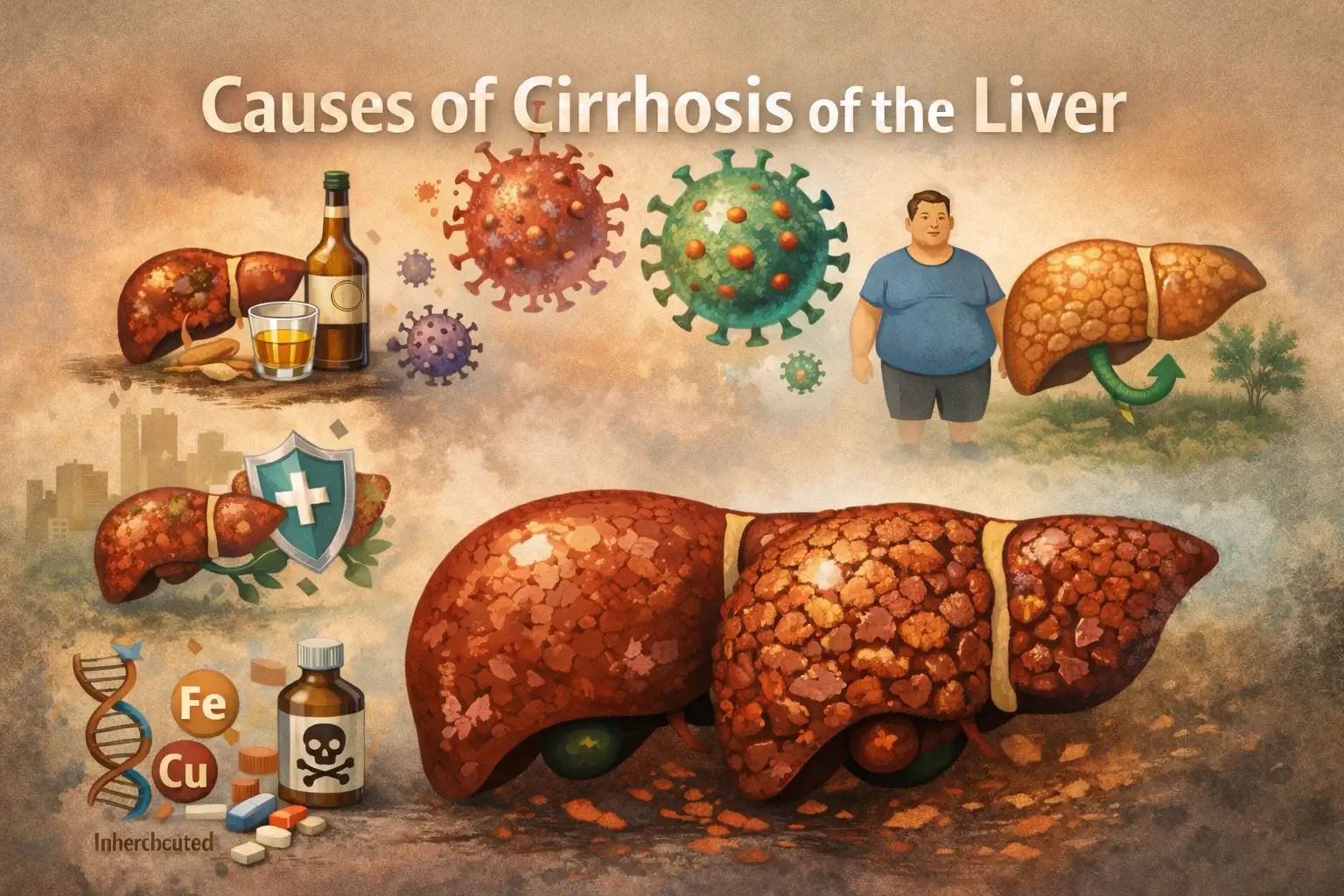
There are many causes of cirrhosis of the liver, and in most cases, it results from long-term damage rather than a single event. Below are some of the most common causes of cirrhosis of the liver:
— Chronic Alcohol Use
Long-term heavy drinking is one of the leading causes across the world. Alcohol damages liver cells and leads to inflammation. Over time, repeated injury to the liver can cause scarring and eventually cirrhosis.
— Hepatitis B and C
Viral infections such as hepatitis B and C can cause long-term inflammation in the liver. If untreated, these infections can slowly lead to cirrhosis of the liver. If untreated, these infections can slowly lead to cirrhosis of the liver.
— Fatty Liver Disease
Non-alcoholic fatty liver disease (NAFLD) happens when fat builds up in the liver. It is often linked to obesity, diabetes, and high cholesterol. In some people, this can progress to non-alcoholic steatohepatitis (NASH), which can lead to cirrhosis.
— Autoimmune Diseases
Sometimes the body’s immune system attacks your liver by mistake. Some conditions, like autoimmune hepatitis, can cause you long-term inflammation and scarring.
— Genetic Disorders
Certain inherited conditions affect how your liver works. Here are some examples of inherited conditions:

- Hemochromatosis (too much iron in the body)
- Wilson’s disease (too much copper in the liver)
- Alpha-1 antitrypsin deficiency
These can increase the risk of developing cirrhosis of the liver.
— Bile Duct Problems
Diseases that block or damage bile ducts can cause bile to build up in the liver, which leads to damage and scarring over time.
— Long-term Medication or Toxin Exposure
Some medications and chemicals can harm your liver for long periods. You have to always use medicines only when prescribed by a doctor.
Symptoms of Cirrhosis of the Liver
In the early stages, cirrhosis of the liver may not cause noticeable symptoms, and many people discover it during routine tests. As the condition progresses, symptoms may appear to you. Some common symptoms of cirrhosis of the liver:
- Fatigue and weakness
- Loss of appetite
- Weight loss
- Nausea
- Swelling in the legs or abdomen
- Yellowing of skin and eyes (jaundice)
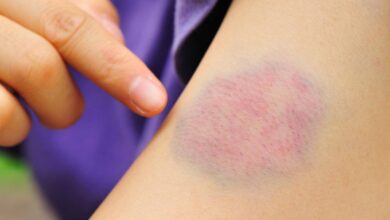
- Easy bruising or bleeding
- Itchy skin
- Confusion or memory problems
Severe cases can lead to complications such as fluid buildup in the abdomen, internal bleeding, infections, and liver failure. If you notice any of these signs, it is important to see a doctor early, as early diagnosis can slow the progression of cirrhosis of the liver.
How can Cirrhosis be Diagnosed?
Doctors use several methods to diagnose cirrhosis of the liver, and some are as follows:
- Blood tests to check liver function.
- Imaging tests like ultrasound, CT scan, or MRI.
- Fibro scan to measure liver stiffness.
- Liver biopsy in some cases.
Early diagnoses help doctors create a treatment plan and prevent further damage.
Treatment of Cirrhosis of the Liver
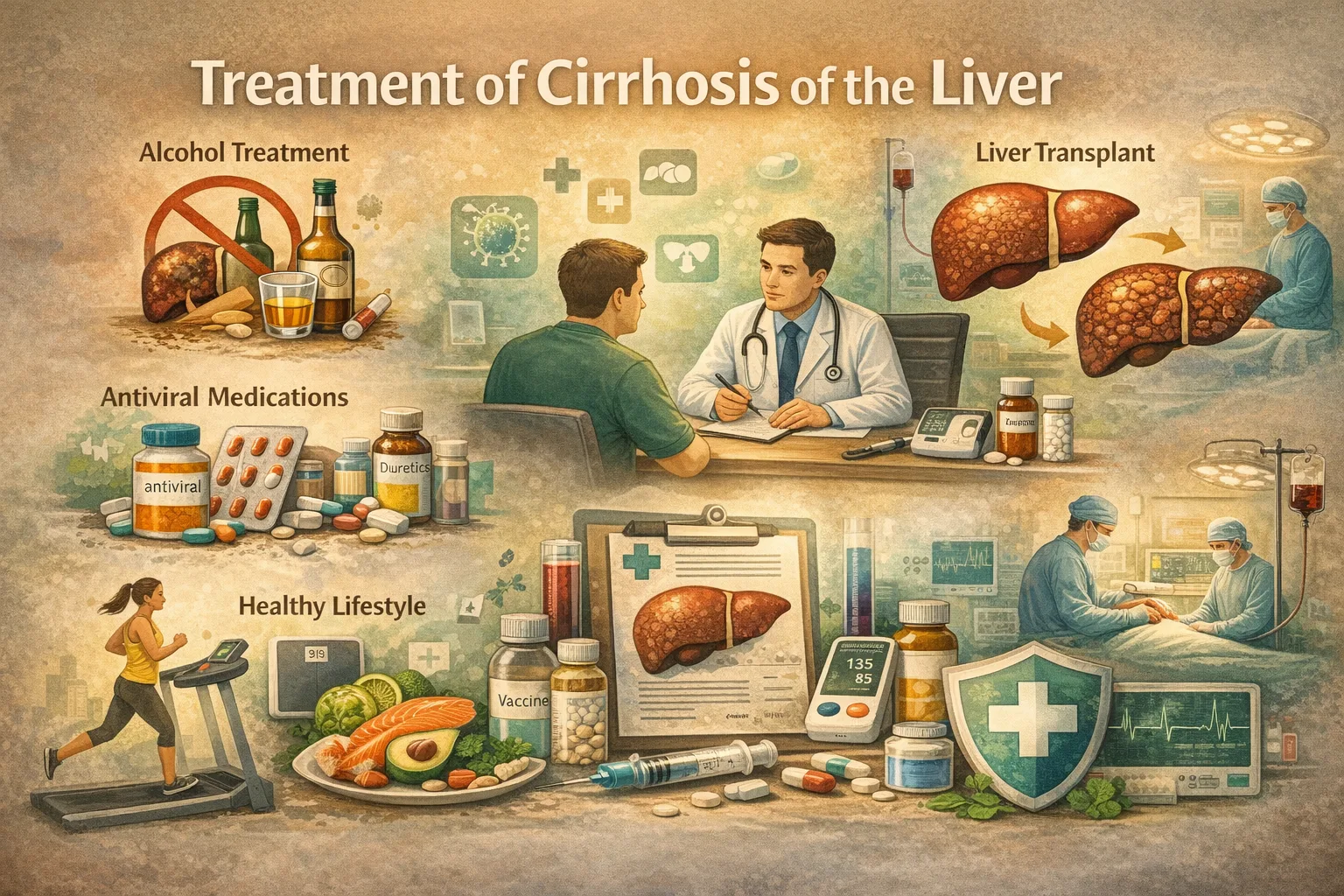
There is no complete cure for cirrhosis of the liver, but treatment can slow its progress and reduce complications. The treatment plan for the cirrhosis completely depends on the cause and stage of the disease.
— Treating the Underlying Cause
Managing the root cause is the most important step. You can follow the habits below to treat the root cause:
- Stop alcohol completely if alcohol is the cause.
- Take antiviral medicines for hepatitis.
- Control your diabetes and weight for fatty liver disease.
- Use medications if you have autoimmune conditions.
— Medications
Doctors may prescribe some medicines for you that will help with the following:
- Reduce your swelling and fluid buildup.
- Control your blood pressure in the liver veins.
- Prevent infections in the liver.
- Manage your mental confusion caused by toxin buildup.
— Lifestyle changes
Healthy habits can protect your liver from any further damage. You have to switch to the healthy lifestyle changes below:
- Avoid alcohol completely
- Maintain a healthy weight for your body.
- Exercise regularly.
- Get vaccinated for hepatitis A and B.
- Avoid unnecessary medicines.
— Monitoring and regular checkups
People with cirrhosis of the liver need regular medical checkups. Doctors monitor their liver function and check for any complications like liver cancer.
— Liver transplant
In advanced cases where the liver stops working, a liver transplant may be needed. A transplant replaces the damaged liver with a healthy one from a donor. Many people live long and active lives after a liver transplant.
What is the Right Diet for Cirrhosis of the Liver?
Diet plays a big role in managing cirrhosis of the liver. Eating the right foods will help you to reduce stress on the liver and support your overall health.
— List of Foods You can Eat
- Fresh fruits and vegetables: You have to eat fresh fruits and vegetables, as they will provide vitamins, minerals, and antioxidants. You have to choose a variety of colorful options for good health.
- Whole grains: You have to eat Brown rice, oats, and whole wheat bread, which are good for energy and digestion.
- Lean protein: You have to add protein to your diet, which will help repair the tissues of the liver. Some good sources of protein are:
- Beans
- Lentils
- Fish
- Eggs
- Skinless
- chicken
- Healthy fats: You have to add small amounts of healthy fats to your diet, like olive oil, nuts, and seeds.
- Plenty of water: You have to stay hydrated, which will help your body remove toxins.
— Foods you Must Avoid
- Alcohol: You have to first completely avoid alcohol, as even small amounts can worsen cirrhosis of the liver.
- Salty foods: Eating too much salt can cause fluid retention. You have to limit processed foods, pickles, and packaged snacks.
- Fried and fatty foods: These foods are hard for the liver to process, so you have to avoid them completely.
- Sugary foods: You have to reduce the consumption of sweets, soft drinks, and refined sugar.
- Raw or undercooked seafood: Eating raw or undercooked seafood can carry bacteria that are dangerous for people with liver disease.
What are the Complications of Cirrhosis of the Liver?
If not managed properly on time, cirrhosis of the liver can lead to serious complications, such as:
- Ascites (Fluids in the abdomen)
- Variceal bleeding (Bleeding in the digestive tract)
- Hepatic encephalopathy (Confusion)
- Infections
- Liver cancer
- Kidney problems
Regular monitoring and treatment help prevent or manage these complications.
Tips to Preventive from Cirrhosis of the Liver
While not all cases of cirrhosis of the liver can be prevented, there are some steps you can follow to reduce the risk of cirrhosis of the liver:
- Limit or avoid alcohol
- Maintain a healthy weight
- Eat a balanced diet
- Get vaccinated for hepatitis
- Safe hygiene and safe intercourse
- Avoid sharing needles
- Use medicines responsibly
Early care and healthy living can protect your liver for years to come.
When should you Consult a Doctor?
You need to seek medical attention or consult a doctor when you notice the following changes in your body:
- Yellowing of skin or eyes.
- Swelling in the abdomen.
- Feeling fatigued severely.
- Vomiting blood.
- Feeling confused.
- Sudden drop in weight.
Early treatment improves outcomes and prevents any further complications from arising.
Final Thoughts
Cirrhosis of the liver is a serious but manageable condition. It develops slowly and often arises from long-term liver damage. Understanding its causes, symptoms, treatment, and diet can help you take control of your health.
By avoiding alcohol, eating a balanced diet, following medical advice, and attending regular checkups, you can slow disease progression and improve quality of life. Early diagnosis and proper care are the keys to living well with cirrhosis of the liver.
Always remember that taking care of your liver today will protect your health tomorrow.