
When you look at a nutrition label, you may be confused when you get to the ‘Total Fat’ heading. That category may contain as many as four types of fat below it, saturated, trans, polyunsaturated, and monounsaturated.
Aside from the fact that these labels are packed with information, now you have to figure out which fats you should or should not eat.
But it doesn’t stop there.
Most people assume that when a food is high in fat that it’s automatically unhealthy for you. Unfortunately, that may not always be the case. I know this can be tricky at first, but I’m hoping this article will help make fats easier to understand.
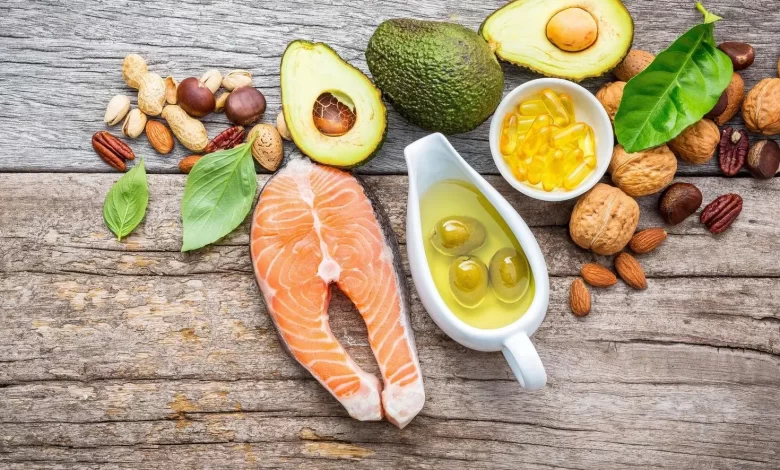
In this post, I’ll show you 13 high fat foods that should be added to your diet.
To help you decipher a nutrition label’s fat content, you’ll need to understand the different types of fat first.
Common types of fats
In my carbohydrate article, we briefly touched on the fact that carbohydrates are considered to be a macronutrient, or nutrients that our bodies need to consume in large quantities to function properly.
Well, fats are also classified as a macronutrient and should be consumed on a daily basis too. The problem is, just like carbs, not all fats have the same nutritional benefits. In fact, some fats like trans fat for example, can be very harmful to your health.
I would say that saturated fats and trans fats are the two most commonly heard of fats, while monounsaturated and polyunsaturated fats seem to intimidate people the most. The truth is, all fat is easy to understand given the right information.
Let’s take a look at the four types of fats typically found in foods.
— Saturated fats
A saturated fat, by definition, is fat with a single bond to hydrogen. This bond can be found in the form of animal or vegetable fats and is commonly in butters, certain red meats, eggs, and coconuts.

You may be hearing conflicting information about saturated fats. According to a study by National Library of Medicine, have concluded that there is no significant evidence that saturated fat increases your risks for cardiovascular diseases, yet others, like the American Heart Association, believe that saturated fats will raise your cholesterol levels and should be limited to no more than 10% of your daily intake.
I side with the former and believe that consuming the right types of saturated fat in moderation is the key. In fact, according to a study by Harvard Health Publishing, found that there was no sufficient evidence to support the fact that saturated fats increase your risk for heart disease. It also noted that by replacing saturated fats with polyunsaturated fats, you could actually reduce your risk for heart disease.
And in fact, the American Dietary Guidelines Committee have recently reviewed the evidence for both cholesterol and saturated fat and have recommended that the 2015 Dietary Guidelines be revised to reflect that there is no evidence for limiting cholesterol in our diet. They also suggested that the limitations on saturated fat in the diet also need to be reviewed because there is no evidence that either is connected to heart disease, or any other disease for that matter. You can read the entire scientific report yourself on Health.gov, though you probably won’t because it’s pretty in-depth.


Anyway, I’m sure you’ll agree with me that’s this is a pretty shocking turn around because we’ve always been told to eat less foods with fat and cholesterol. But I think we might just see some changes occurring in those guidelines later this year.
I just wanted to point this out so you don’t fear fat because many of the healthy fats on our list contain saturated fats. Many natural saturated fats are healthy. Yet on the other hand, saturated fat is also found in a handful of harmful foods like the congealed grease that’s leftover after you cook bacon.
Some people say it’s okay to eat that stuff but this is definitely not one saturated fat I’d recommend eating. The trick is being able to know the difference between good saturated fat and bad saturated fat.
— Trans fats
Speaking of grease, trans fat can be found in unhealthy fare like fried foods, baked goods, potato chips, frozen pizza dough, and non-dairy creamers, just to name a few.
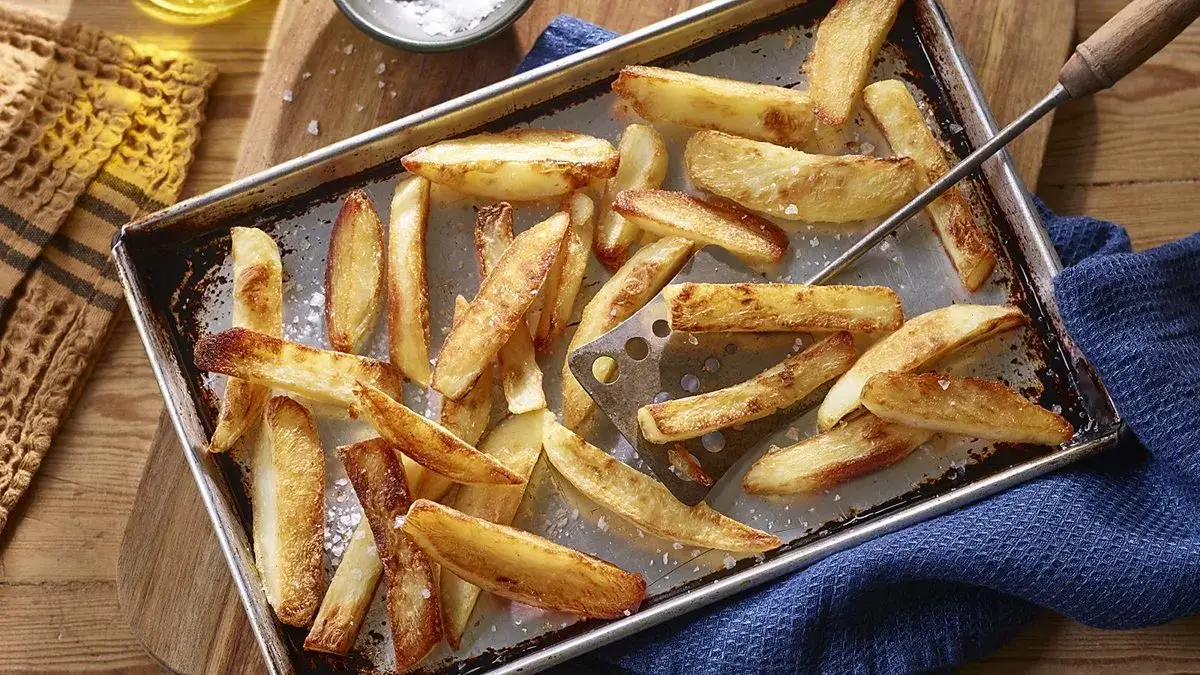
Trans fat is the mad scientist’s version of oil. According to the Mayo Clinic, to create trans fat, hydrogen is added to vegetable oil, making it a solid at room temperature. This is also what happens to non-naturally occurring saturated fats.
The result is partially hydrogenated oil. You may have heard this term before since it’s a commonly used oil for these reasons:
- It does not need to be changed as often as other oils (Think of deep fryers at fast food places like McDonald’s not having to use fresh oil as often. Yummy!)
- It has a longer shelf life
- It’s inexpensive
- It gives off a taste many of us crave
Partially hydrogenated oils should always be avoided. But here’s the tricky part, not all trans fat should be cut out of your diet. Yes, the kind found in frozen pizzas and fried foods should be avoided, but there a few foods, the ones on my list below in particular, which should not be dismissed from your menu.
— Monounsaturated fats
That brings us to our next necessary fat that should always be included in your diet, monounsaturated fats. Both monounsaturated and polyunsaturated fats fall under the category of ‘good fats’.
For starters, monounsaturated fats are comprised of a single carbon-to-carbon double bond. This bond means that less hydrogen atoms are needed in comparison to saturated fats, which are mostly hydrogen.
Unlike saturated fats, monounsaturated fats are liquid at room temperature. To help you remember this, you can think of things like olive oil since that contains a high amount of monounsaturated fat and a low amount of saturated fat. This is why olive oil doesn’t harden when you leave it out. However, coconut oil, which is higher in saturated fat, will harden at room temperature. That’s the best way to remember the difference in my book.
The last one on my list is polyunsaturated fats.
— Polyunsaturated fats
By definition, polyunsaturated fats are made of two or more carbon-carbon double bonds.
Polyunsaturated fats are found in certain oils like sunflower, safflower, or corn oil, etc. I recommend staying clear of. But once again, this fat can also be found in healthy foods like walnuts, salmon, and flaxseeds.
It’s important to note that polyunsaturated fats are considered essential fats, meaning that our body needs them. Well, at least half of them are because here’s where it does get a little confusing.
There are two types of polyunsaturated fats omega-3 and omega-6 fatty acids. The omega-3s are the ‘essential’ ones, so we must get those through the foods we eat.
Now that I’ve covered the four main fats, how can we make sure we’re getting the right kinds in our diet?
Fats to focus on
Ideally, you’ll want to consume both monounsaturated and polyunsaturated fats, focusing mainly on omega 3s. By far these two types of fats are considered the healthier fats to eat on an everyday basis. You’ll find saturated fats in some of the food on my list, so I’d stick to those instead of processed foods with saturated fats.
To make things easier on you, I recommend adding the following high fat foods to your diet. But before you go skipping off on a high-fat binge, remember that these foods should be consumed in moderation, around two to three times per week. Or, if you’re going to increase fat intake, then you have to decrease your overall carb intake.
We’re not going to go into that now but just know that in this case you can’t eat your fat and have your cake too 🙂
1. Yogurt
Yogurt can help improve your digestion via probiotics, or living cultures, and according to a study in the US National Library of Medicine it also helps you lose weight.
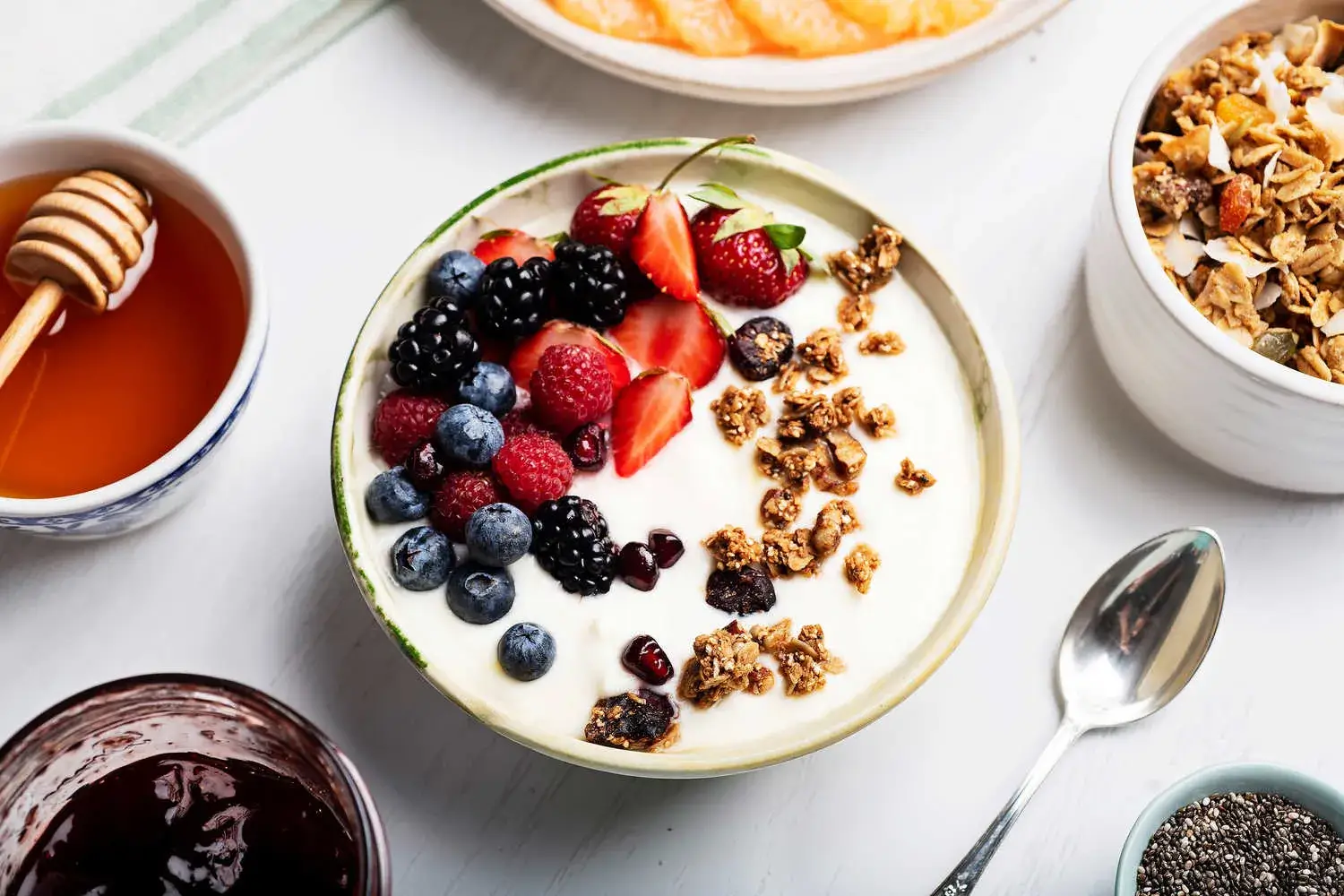
Thanks to the nutrients found in yogurt, you’ll also get a dose of energy, as well as calcium and protein.
I’m a stickler for paying extreme attention to nutrition labels when buying yogurt, so make sure to avoid brands that are loaded with sugars and opt for plain varieties that you can flavor yourself using things like honey, fresh blueberries, and cinnamon.
2. Cheese
Cheese is also an excellent source of protein, calcium, and minerals, but it may even be beneficial for appetite control.
According to Alan Aragon, a nutritionist and Men’s Health Weight Loss Coach, “The combination of protein and fat in regular, full-fat cheese is very satiating…As a result, eating full-fat cheese holds your appetite at bay for hours, and I’ve found that it cuts down my clients’ food intake at subsequent meals”.
Since it is still a high-fat food, make sure to pay attention to serving sizes and adjust as needed depending on your daily calorie goals.
3. Extra virgin olive oil
Although I’ve discussed the next two foods on my list in this article, they’re still worth a mention. Extra virgin olive oil may be higher in saturated fats than some other oils, but the nutritional benefits far outweigh this flaw.
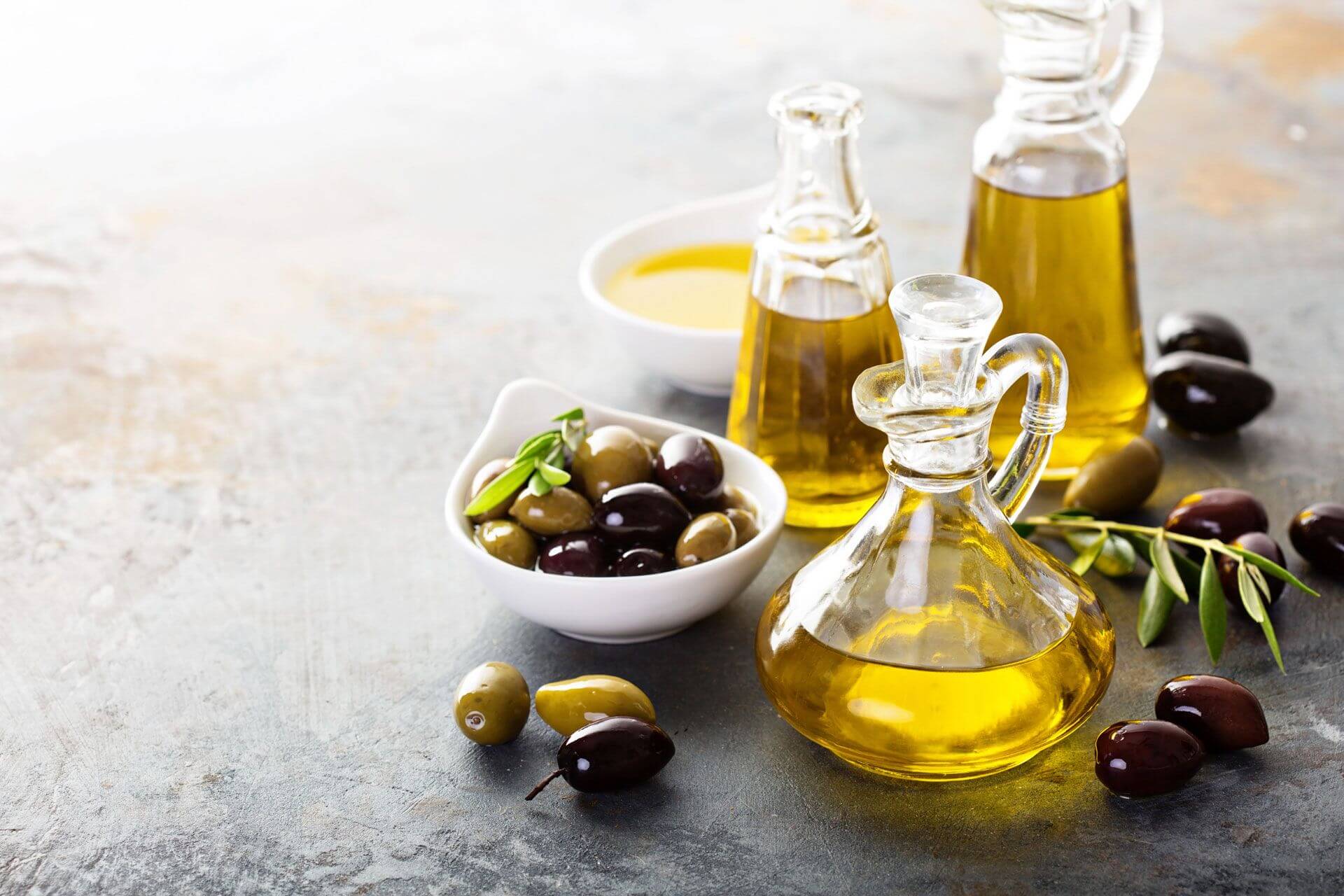
So what makes this a high fat food that’s good for you?
According to researchers olive oil is loaded with antioxidants, extra virgin olive oil can actually prevent cancer cells from spreading and can induce death in cancerous cells. It also has powerful anti-inflammatory capacity, containing a polyphenol called oleocanthal that directly targets inflammation and pain, just like popular NSAIDs drugs, but without all the side effects.
Using extra virgin olive oil is definitely at the top of my list.
4. Coconut oil
What about coconut oil?
Coconut oil can increase your good cholesterol levels, or HDLs, and give you a boost of energy.
According to Weekand, “Coconut oil contains medium-chain triglycerides, which are used directly for energy by your body”.
Who doesn’t like an instant energy boost?
5. Nuts
I would argue that nuts also give me energy, which is why I always have them on hand. But the problem is that nuts can be extremely high in fat, so portion control is a must. Think small handful, because these guys are easy to gobble down 🙂
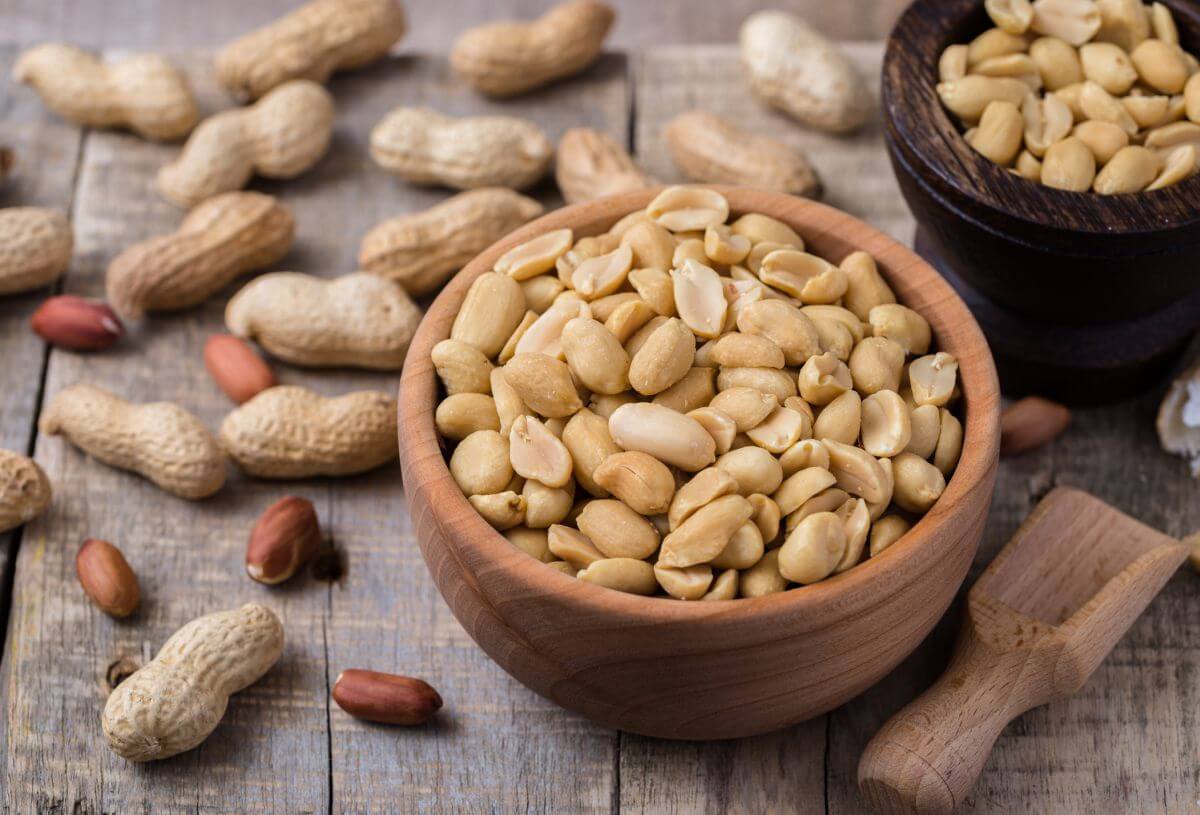
Take a look at this list of nuts and their corresponding fat per 100 grams:
- Almonds: 49 g of fat, 78% calories from fat
- Brazil: 66 g of fat, 89% calories from fat
- Cashews: 44 g of fat, 67% calories from fat
- Hazelnuts: 61 g of fat, 86% calories from fat
- Macadamia: 76 g of fat, 93% calories from fat
- Pecans: 72 g of fat, 93% calories from fat
- Pine: 68 g of fat, 87% calories from fat
- Pistachios: 44 g of fat, 72% calories from fat
- Walnuts: 65 g of fat, 87% calories from fat
This list shouldn’t deter you from eating nuts, rather, it should prove that eating them in portion controlled sizes is a must.
6. Seeds
Seeds can be viewed the same way as nuts, they’re healthy and essential but small quantities are crucial.
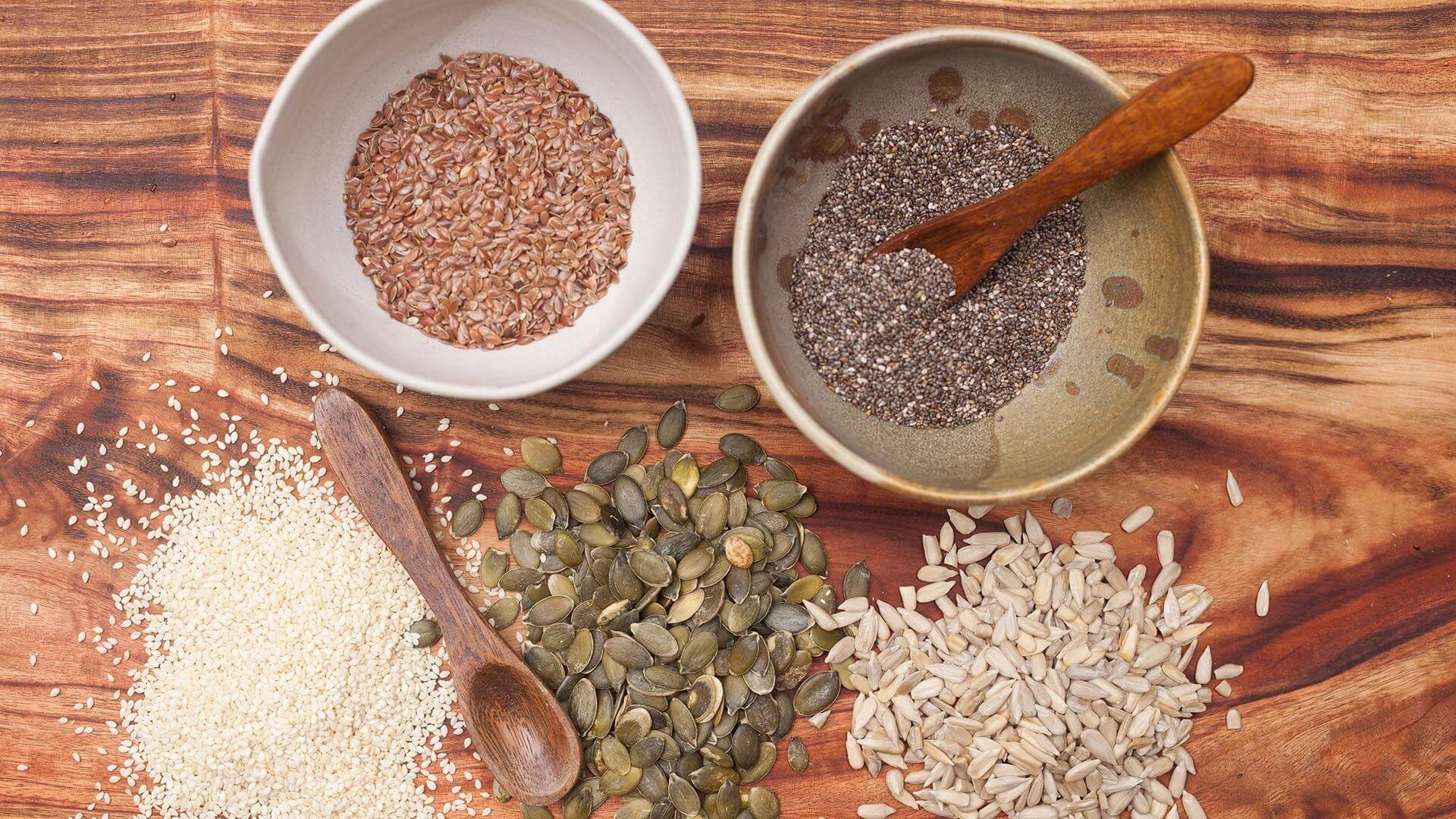
My favorite seeds to consume are:
- Chia seeds
- Flax seeds (ground)
- Pumpkin seeds (roasted, no salt)
- Sunflower seeds (roasted, no salt)
Despite the fact that they’re high in fat, I’ve shown you in this article just how beneficial chia seeds can be. It’s also fair to say that flax seeds are just as essential, plus they’re slightly lower in fat than chia. With flax seeds you’ll have fiber, antioxidants, and essential omega-3 essential fatty acids.
Pick up some pumpkin seeds and you’ll be munching on antioxidants while also getting about 50% of your recommended intake of magnesium. According to Mercola, this mineral is vital to support bone and tooth formation, healthy heart activity, relaxing of the blood vessels, and proper digestion.
As for sunflower seeds, they are also rich in antioxidants as well as fiber and amino acids. It’s safe to say that these seeds are fundamental high fat foods to add to your diet.
7. Nut butters
Similar to nuts, nut butters are one high fat food that should not be avoided. However, the key is to choose the right nut butters just like choosing the right type of nuts. My top two picks are almond and cashew butter.
My favorite afternoon snack is a take on my childhood favorite ‘ants on a log’. Slice up a stalk of celery, add almond butter, and sprinkle on a bit of hemp hearts or chia seeds instead of using sugary raisins.
8. Avocados
When it comes to this high-fat food, portion control is your friend.
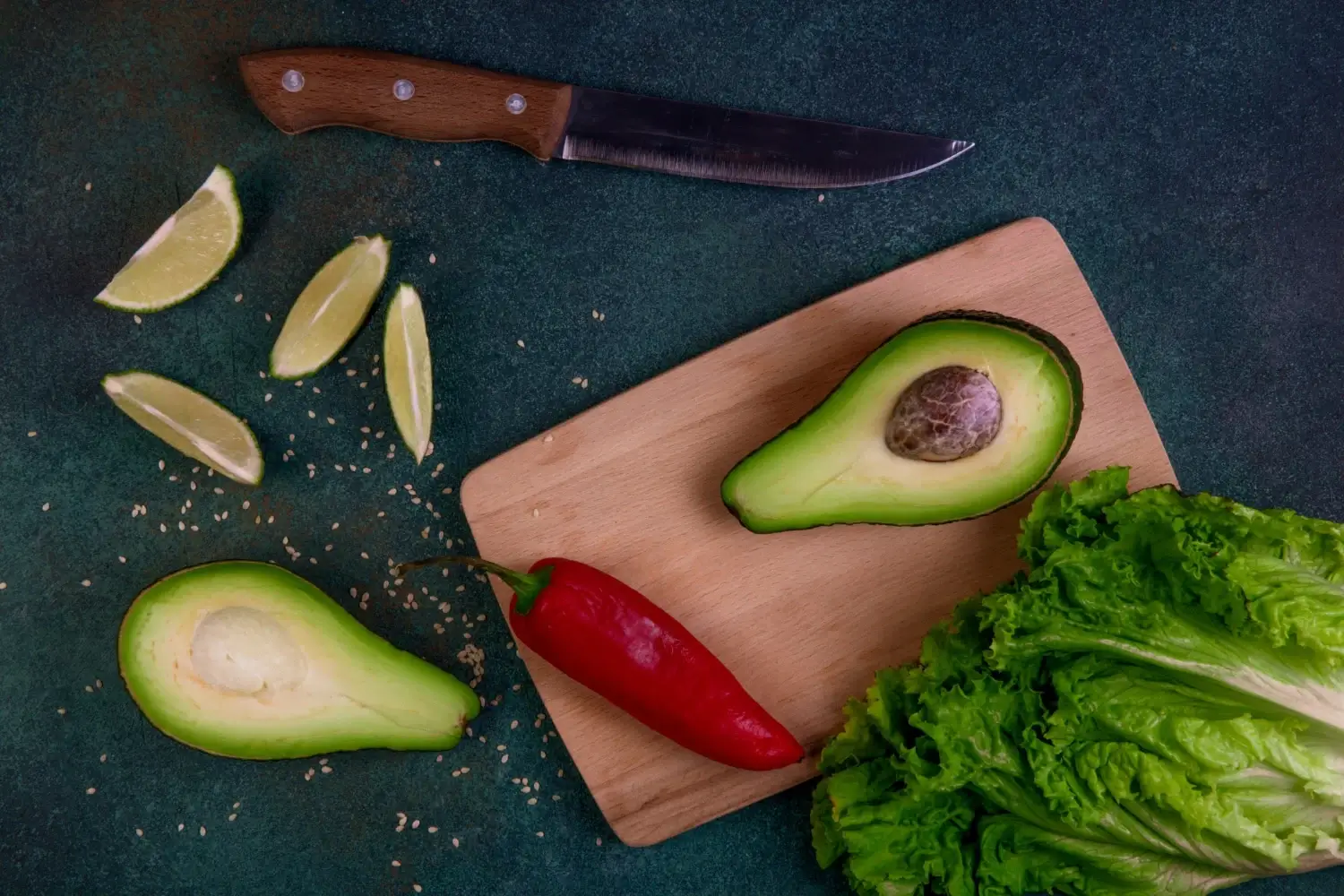
As you can see from this nutrition label, a serving size of avocados should only be ⅕ of a medium avocado. If you ate the entire avocado, you’re looking at 250 calories and 22.5 g of fat. Still, if you did eat the entire thing it’s not the end of the world because avocados contain 71% monounsaturated fat, one of the healthiest types of fat we can eat.
You’ll also find around 20 vitamins and minerals in avocados, fiber, protein, omega-3s, 4 g total carbohydrates, and just 1.2 g of available carbohydrate per serve, so it’s very low in carbs. All these healthy benefits make avocado an essential high-fat food.
9. Black olives
Although black olives come in as high-fat, they’re loaded with monounsaturated fats, so I approve of them as a superb addition to any diet.
As I mentioned earlier, higher amounts of monounsaturated fats can be attributed to balancing blood sugar levels, a reduction in bad cholesterol, and a lower risk of heart disease and stroke.
10. Eggs
I talked about the cholesterol in eggs as being high, but the fat content is also up there.
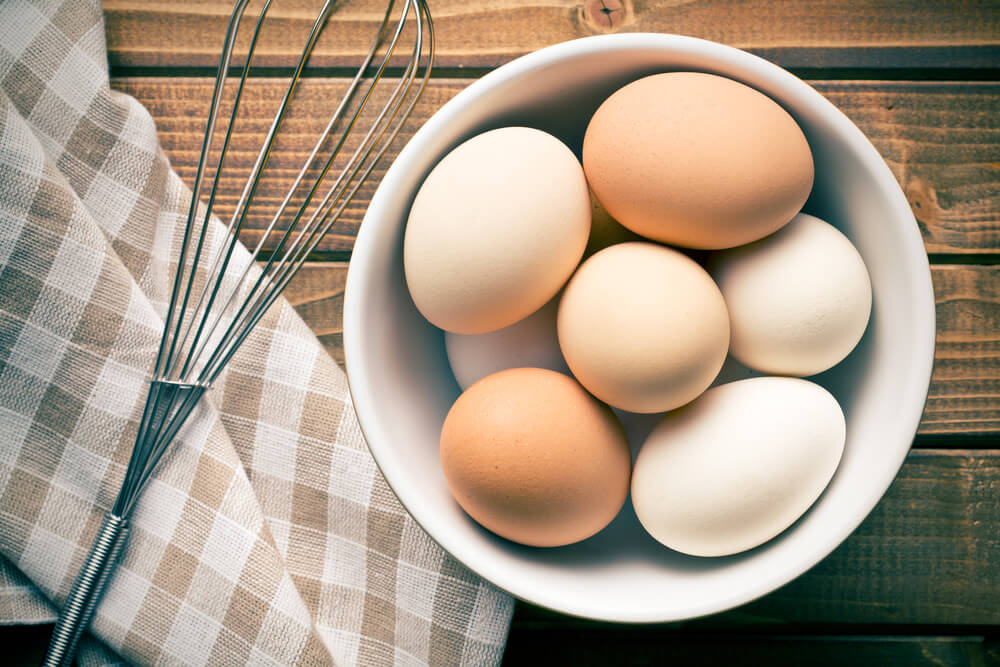
Most of the fat content found in eggs lies within the yolk. That’s why many people on low-fat diets will only consume the egg whites. The problem is, the fats found in the yolk are essential.
In one large egg, you’ll find 1.6 g of saturated fat, 0.7 g of polyunsaturated fat, and 2 g of monounsaturated fat. In addition to healthy fats, you’ll also consume vitamins and minerals to help build lean muscle and speed up your metabolism.
11. Steaks
In my previous article, I explained that eating red meat in excess could lead to high levels of iron that may harden your blood vessels and increase your risks for developing Alzheimer’s and type 2 diabetes.
With that said, eating red meat every once in a while, twice a week at most, is beneficial for your health.
LiveStrong points out that the trick is buying the right cuts of meat. Some cuts are higher in saturated fat and cholesterol, while others, like sirloin tip roast or round steak, give you healthy fats in the right amount. You can even opt for bison meat which is even leaner and healthier.
12. Fish
Instead of buying expensive fish oil supplements, I always recommend going right to the source by eating high-fat fish like salmon, sardines, trout, or mackerel.
These fish contain high amounts of protein and essential omega-3 fatty acids.
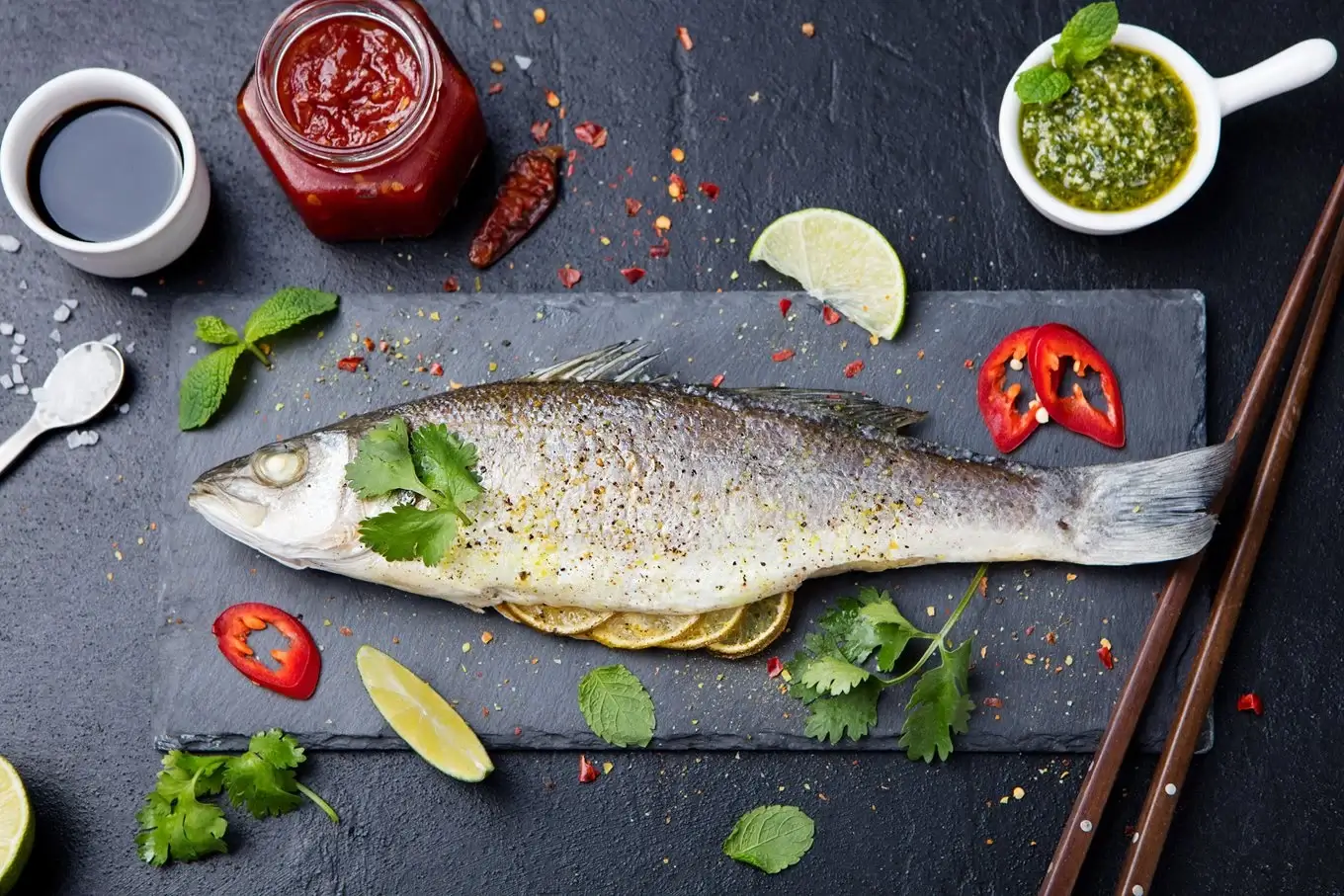
According to Harvard School of Public Health, “An analysis of 20 studies involving hundreds of thousands of participants indicates that eating approximately one to two 3-ounce servings of fatty fish a week – salmon, herring, mackerel, anchovies, or sardines – reduces the risk of dying from heart disease by 36%”.
Extras
13. Dark chocolate
Yes, I’m here to say that chocolate is healthy, given that you’re choosing the right kind of chocolate. By choosing chocolate with at least 70% cocoa, you can actually reap amazing health benefits.
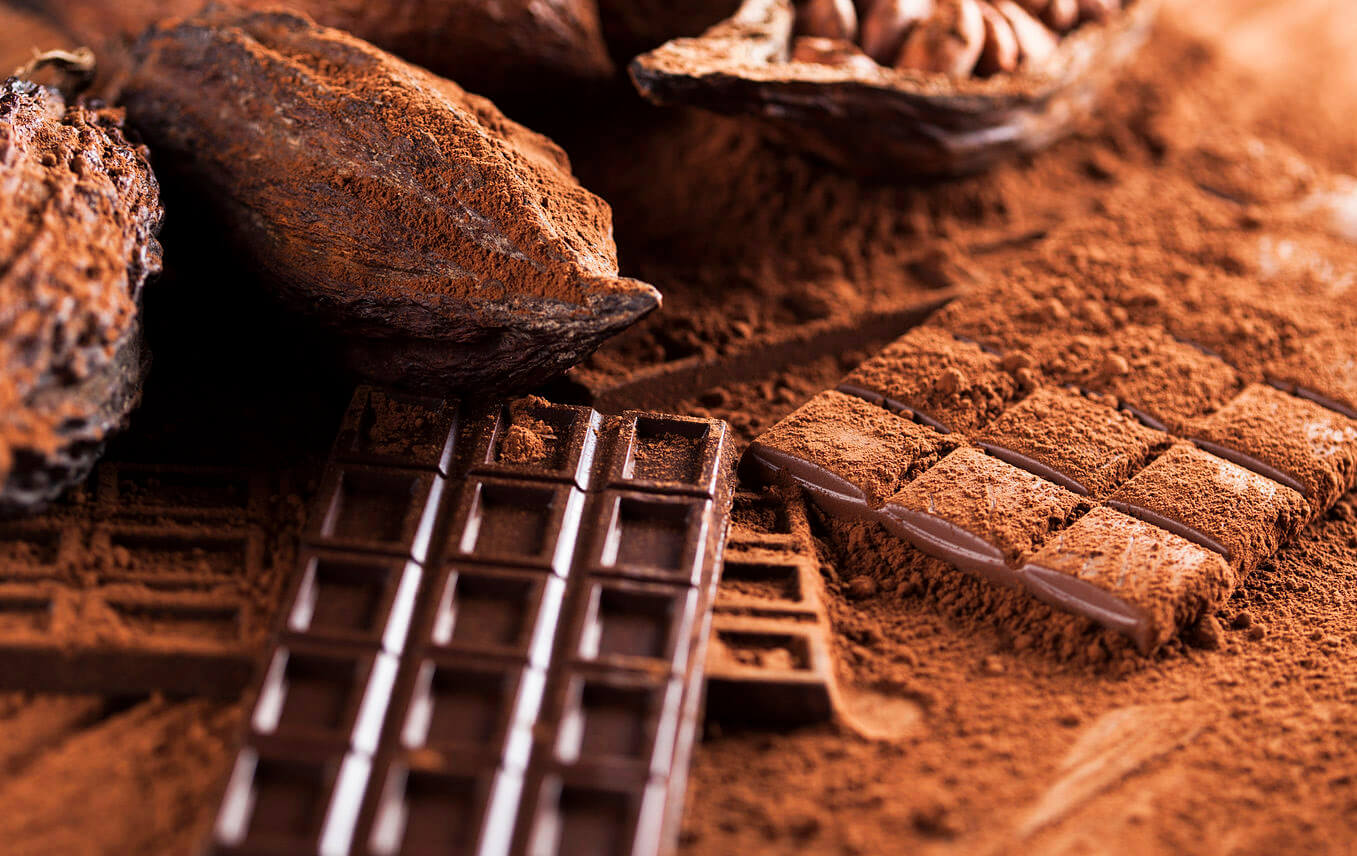
The Cleveland Clinic points out that the fat found in the cocoa butter used to make chocolate is comprised of oleic acid, which is a monounsaturated fat similar to what you’d find in avocados and olive oil.
On top of fats, chocolate also boasts flavonoids, a group of antioxidants.
According to Michigan’s Integrative Medicine, your body will enjoy the following benefits when you eat dark chocolate:
- Decrease in bad cholesterol
- Increased blood flow to the heart and arteries
- Lowered blood pressure
- Reduced risk of blood clots
- Improved mood
However, a small one ounce square of dark chocolate is about as much as you should consume in a serving.
That one ounce comes in at 155 calories and 38% of those come from fat. If you decided to eat a whole 5 oz dark chocolate bar, you’d be consuming almost 900 calories and 228% of your total fat for the day.
Wow! That’s why portion control is absolutely necessary when it comes to dark chocolate.
At the End
I hope this list shows you that not all high-fat foods should be avoided. Naturally occurring fats are healthy and crucial for you body to function at its peak. But if those high-fat foods come from fast food restaurants or packaged baked goods, that’s a different story.
What is your favorite high-fat food on my list? Or maybe you’ve got another one you enjoy?
Share it below ‘cos I’d love to know.